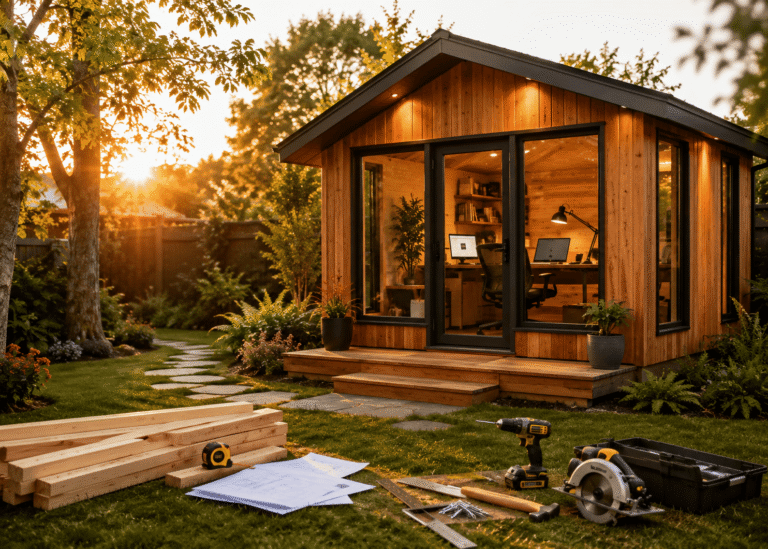
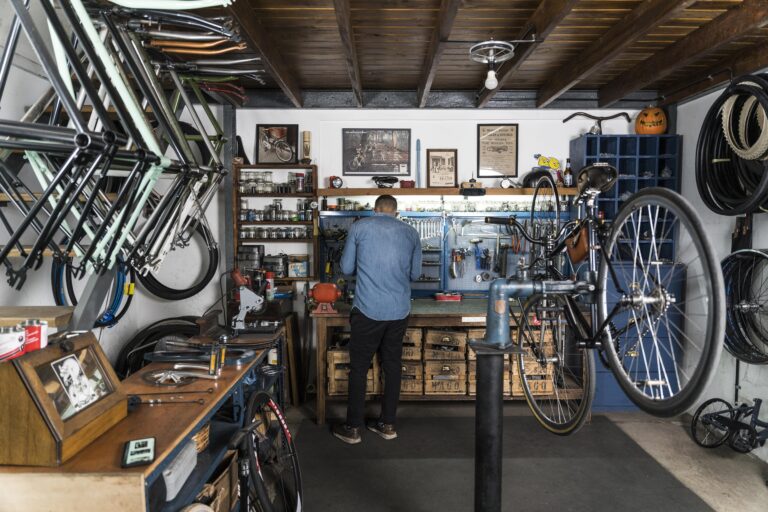
A small backyard doesn’t mean you have to settle for cluttered patios, overflowing garages, or gardening tools scattered around the house. The right compact shed can give you plenty of storage without taking over your outdoor space or creating problems with your homeowners association. Plenty of smart shed designs are made specifically for tight lots where every square foot counts.
Space is only one part of the decision. HOA rules, setback requirements, and local building codes often have just as much influence on the size and style of the shed you can build. Picking the right plan from the start helps you avoid costly changes after you’ve already bought materials.
This guide highlights ten compact shed plans that make excellent use of small spaces. You’ll also learn what features matter most, how to choose the right size for your yard, and what to check before starting your project.
What makes a compact shed work well in a small yard?

A compact shed isn’t simply a smaller version of a large storage building. Good designs make every inch work harder, giving you practical storage without making the yard feel cramped.
Vertical storage is one of the biggest advantages. Tall walls, built-in shelves, hanging racks, and overhead storage create much more usable space than a larger floor area filled with boxes. That means you can keep more equipment organized while maintaining a smaller footprint.
Placement also plays a major role. Many compact sheds fit neatly into a backyard corner, alongside a fence, or next to the house, where they blend into the landscape instead of becoming the center of attention.
When comparing shed plans, look for features like these:
- Efficient floor layout
- Tall walls for vertical storage
- Double doors for larger equipment
- Windows for natural light
- Roof styles that match your home
- Built-in shelving options
- Comfortable headroom
- Straightforward framing that is easier to build
Future storage needs deserve some thought as well. A shed that feels perfect today may become crowded after adding lawn equipment, bicycles, holiday decorations, or gardening supplies. Adding a little extra storage now often costs far less than replacing the shed a few years later.
HOA rules can be just as important as your available space
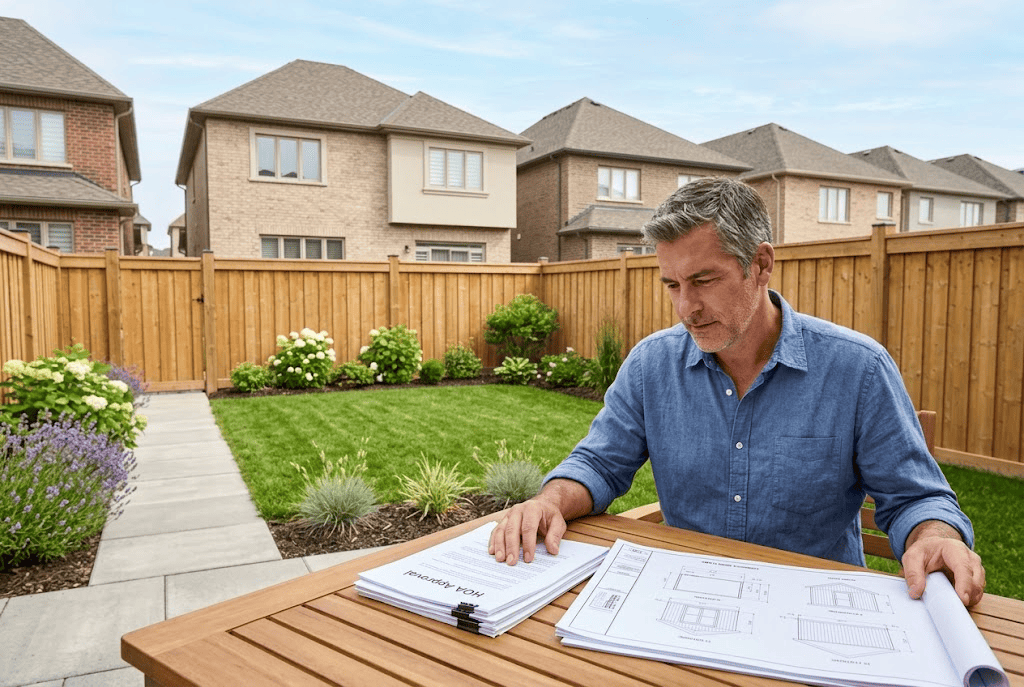
Limited yard space isn’t always the biggest challenge. Many homeowners find that HOA requirements determine what they can build long before construction begins.
Most homeowners associations have rules covering the shed’s size, height, location, roofing materials, exterior colors, and overall appearance. Some communities also require written approval before you can start building.
That doesn’t mean your project has to become complicated. A little planning early on usually prevents most approval issues.
Common HOA requirements often include:
- Maximum shed size
- Minimum setback from property lines
- Approved roofing materials
- Exterior colors that match your home
- Height restrictions
- Placement behind the house
- Limits on visibility from the street
- Written architectural approval
Compact shed plans often fit these requirements more easily because they stay within common size limits while still providing useful storage. Their smaller footprint also makes it easier to position the shed where it satisfies both HOA rules and your own backyard layout.
Local building codes are worth checking before you settle on a design. Even when your HOA approves the project, your city or county may require permits based on the shed’s size, foundation, or location. Spending a little time reviewing those requirements now can save you both money and delays later.
1. Four-by-six-foot utility shed for basic outdoor storage
A 4 x 6 foot shed is one of the smallest practical options you can build. It doesn’t take much yard space, yet it can still hold gardening tools, bags of soil, a lawn mower, and seasonal decorations when you organize the interior well.
This size is a great fit for narrow side yards or small backyard corners where a larger building would feel out of place.
It works well for storing:
- Garden tools
- Watering cans
- Small lawn equipment
- Folding chairs
- Holiday decorations
- Potting supplies
2. Six-by-eight-foot garden shed with extra wall storage
A 6 x 8 foot shed gives you noticeably more room without feeling oversized. Many homeowners find this size offers the best balance between storage capacity and preserving valuable yard space.
The additional wall length makes it easier to install shelving, hooks, and cabinets while still leaving enough floor space to move around comfortably.
3. Lean-to shed for narrow spaces beside your home
A lean-to shed is one of the smartest choices for tiny lots because it fits into areas that often go unused. The single-slope roof keeps the overall height lower while allowing the shed to sit neatly against a fence, garage, or side wall.
This style is especially useful when your HOA limits the height of accessory buildings.
Some of the biggest advantages include:
- Fits narrow side yards
- Simple roof construction
- Efficient use of unused space
- Lower overall profile
- Good drainage with a single roof slope
4. Barn-style mini shed with added headroom
A compact barn-style shed provides more usable vertical space than many standard gable roof designs. The higher ceiling creates room for overhead storage, which is valuable when floor space is limited.
That extra height allows you to store ladders, long-handled tools, and seasonal items above your everyday equipment instead of crowding the floor.
5. Corner shed that makes awkward spaces useful
Many backyards have corners that serve little purpose beyond collecting weeds or unused pots. A corner shed turns that forgotten space into practical storage while leaving the center of the yard open for everyday activities.
These sheds often use angled walls to fit neatly into the corner of a fence, making them look like they were always part of the landscape.
A corner design is ideal when you want to:
- Keep the yard feeling open
- Hide storage from view
- Maximize every square foot
- Maintain more lawn space
- Create a cleaner backyard layout
6. Eight-by-eight-foot storage shed for growing families
An 8 x 8 foot shed is often the largest size that still works comfortably in many smaller backyards. It gives you enough room for bicycles, gardening equipment, sports gear, and seasonal decorations without dominating the landscape.
This size also leaves space to add shelving and cabinets, making it easier to stay organized as your storage needs grow over time.
7. Modern compact shed that blends into newer homes
A modern shed focuses as much on appearance as on storage. Clean rooflines, simple trim, and matching exterior finishes help it look like part of your home rather than an afterthought.
That can be especially helpful in neighborhoods where HOAs pay close attention to the appearance of backyard structures.
Many modern compact sheds include features such as:
- Clean exterior lines
- Simple roof designs
- Large doors for easy access
- Space for wall shelving
- Exterior finishes that match the house
8. Tool shed built for gardening equipment
Not every homeowner needs a large storage building. A dedicated tool shed works well when your main goal is keeping rakes, shovels, hoses, fertilizers, and hand tools organized in one convenient place.
Because the interior is designed around vertical storage, even a compact footprint can hold far more equipment than you might expect.
9. Small workshop shed for weekend DIY projects
A compact workshop shed gives you a dedicated place to work without taking over your backyard. While it won’t replace a full-sized workshop, it provides enough room for a workbench, basic power tools, and small woodworking or repair projects.
Careful planning makes a big difference in a smaller workshop. Wall-mounted storage, fold-down benches, and overhead shelves help you make the most of every square foot.
10. Multi-purpose storage shed for everyday backyard needs
A flexible storage shed is often the smartest long-term choice because your storage needs tend to change over the years. Gardening tools may eventually share space with bicycles, camping gear, holiday decorations, or children’s outdoor toys.
A simple rectangular layout makes it much easier to rearrange shelves and storage systems as those needs change.
This type of shed works well for storing:
- Lawn equipment
- Gardening supplies
- Bicycles
- Outdoor furniture cushions
- Camping gear
- Holiday decorations
- Household overflow storage
Final thoughts
A small yard shouldn’t stop you from adding useful storage. In fact, a thoughtfully planned compact shed often works better than an oversized one because it keeps your outdoor space open while giving everything a proper place. The right design feels like a natural extension of your backyard instead of something squeezed into it.
Before choosing a plan, measure the available space carefully and review both your local building codes and any HOA requirements. Spending a little extra time on planning can save you from expensive changes once construction begins.
For most small properties, a shed between 4 x 6 and 8 x 8 feet offers the best balance of storage, appearance, and practicality. Pair that with smart shelving and vertical organization, and you’ll be surprised how much you can fit into a compact footprint without making your yard feel crowded.